More Than a Paycheck: What It Takes to Get Ahead
Two days before my brother’s 10th birthday, my family was on the brink of bankruptcy. My parents’ small business hadn’t hit its growth…
Chicago thrives when people have the opportunity to earn a good living and build financial security. Strong and stable communities depend on residents having the resources to manage their finances, build assets, and plan for the future.


The Chicago Community Trust works to help individuals and families facing financial challenges earn more, build financial stability, and create a stronger financial future. Through programs, policies and partnerships, the Trust connects people with education, employment opportunities, and financial resources.
Two days before my brother’s 10th birthday, my family was on the brink of bankruptcy. My parents’ small business hadn’t hit its growth…
“When you build beautiful spaces, you encourage people to do beautiful things,” said Caleb Herod, whose work at The Chicago Community Trust focuses…
In Illinois, nearly 80 percent of community college students say they plan to transfer and earn a bachelor’s degree, yet only about 35…
We envision a Chicago region where every resident has the opportunity to achieve financial stability, pursue economic opportunity, and build long-term financial security.
Achieving this vision requires sustained investment, strong partnerships, and a willingness to learn alongside communities. The Trust draws on insights from grant recipients, partners, research, and people most directly affected by these challenges to inform its work.
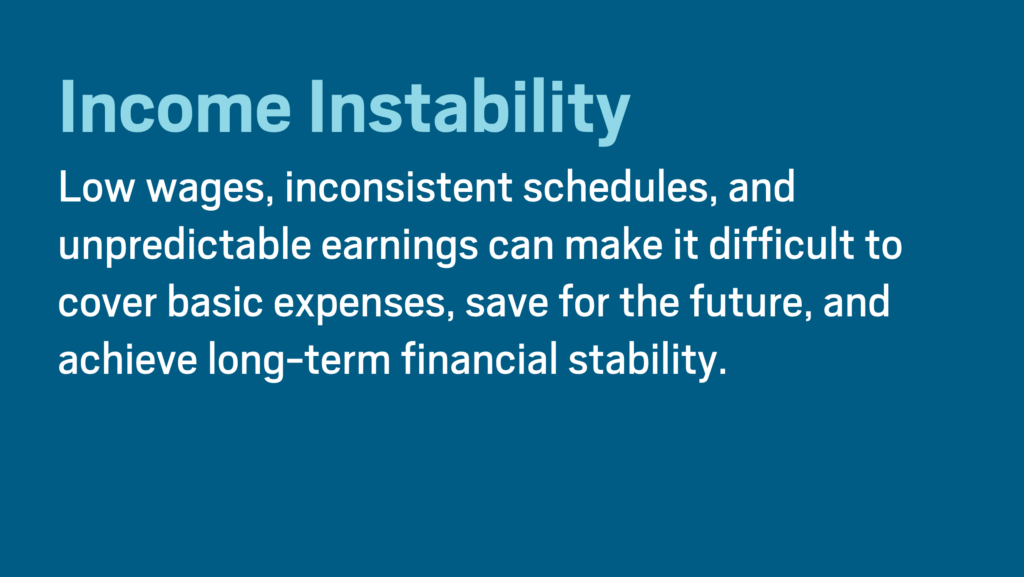
Financial health – a household’s ability to meet daily needs, manage shocks, and build long-term security – is foundational to individual well-being, family stability, and strong local economies. Yet too many households across the Chicago region continue to struggle to make ends meet, recover from financial setbacks, or invest in their future.
The Financial Health Pulse® 2025 Chicago Trends Report found that financial well-being varies dramatically across the region. Approximately one-third of residents on Chicago’s South and West sides are financially vulnerable, compared with just 11% on the North Side. Even among households earning between $60,000 and $100,000 annually, only 27% are financially healthy, demonstrating that income alone does not guarantee long-term financial security.
Expanding economic opportunity requires more than higher earnings. The Trust supports coordinated strategies that help residents increase income, strengthen financial health, reduce debt, and access the education, employment, and financial resources needed to achieve long-term financial security.
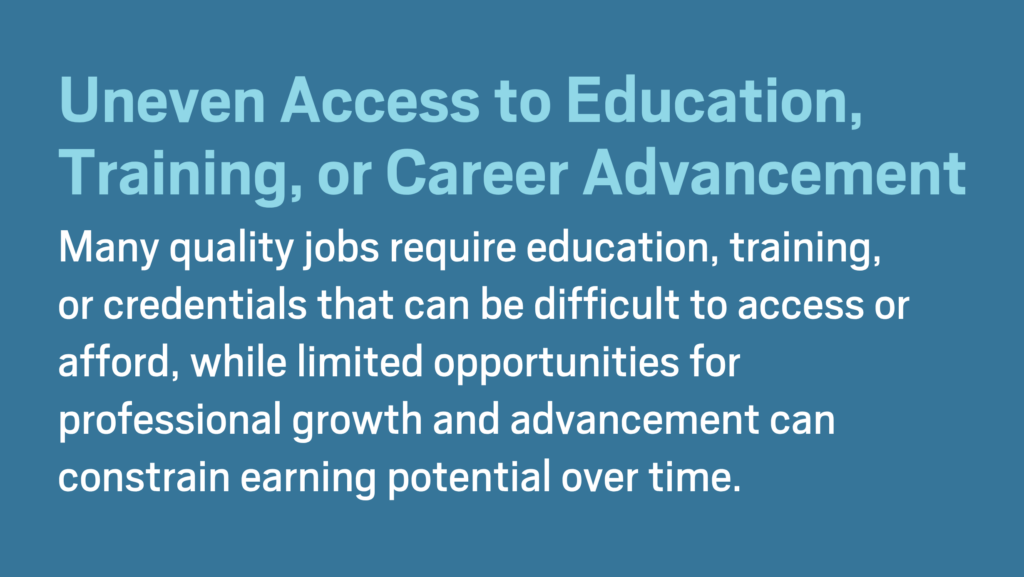
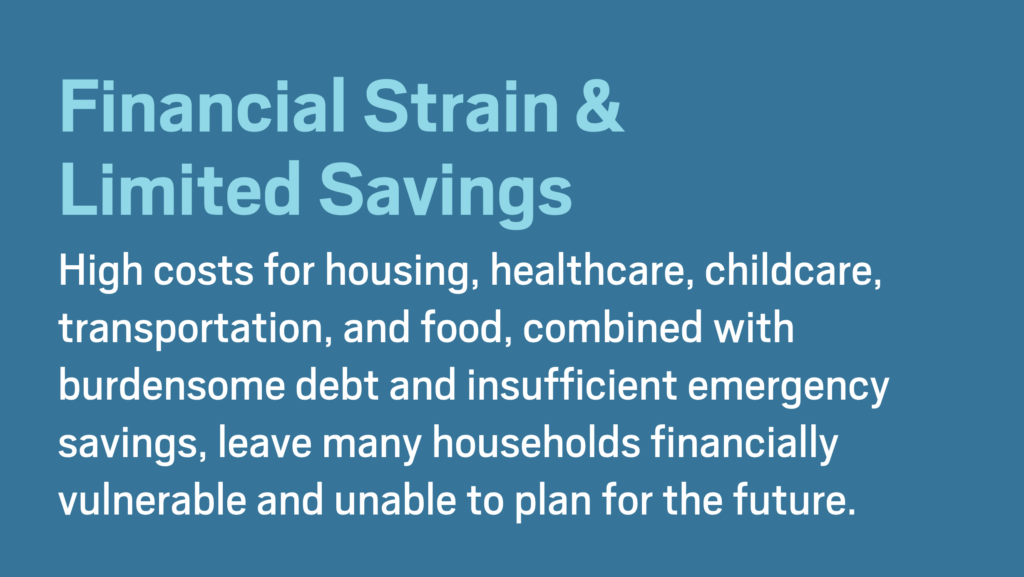
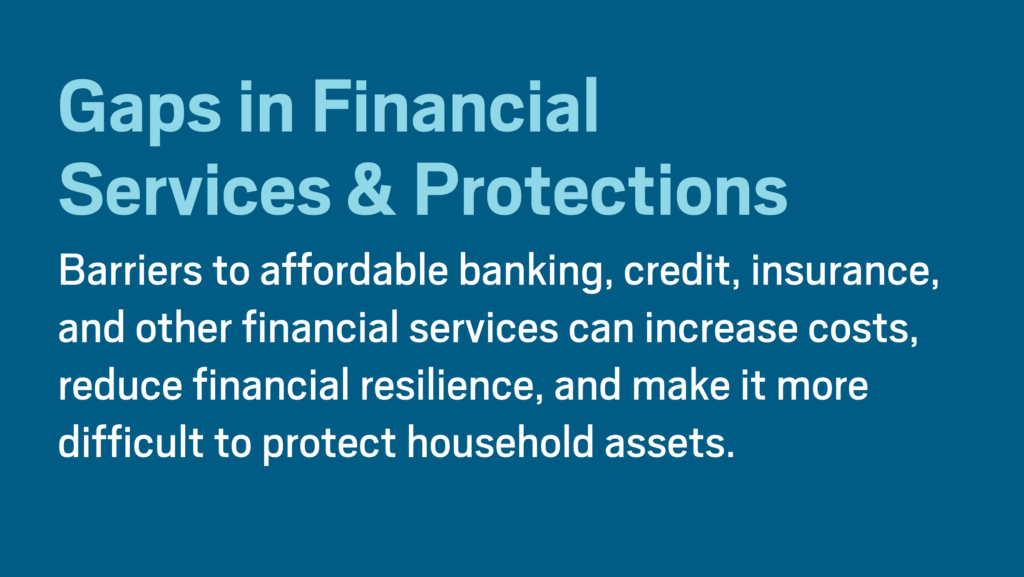
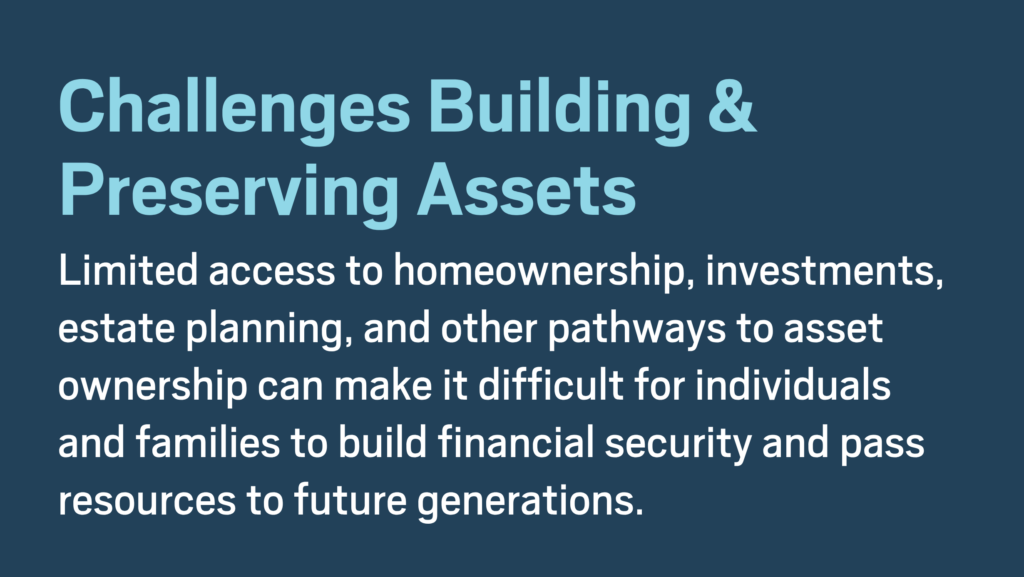
The Trust supports programs, policies and partnerships that help individuals and families increase income, strengthen financial health, and build long-term economic security.
For individuals facing barriers to stable employment, the Trust supports efforts to:

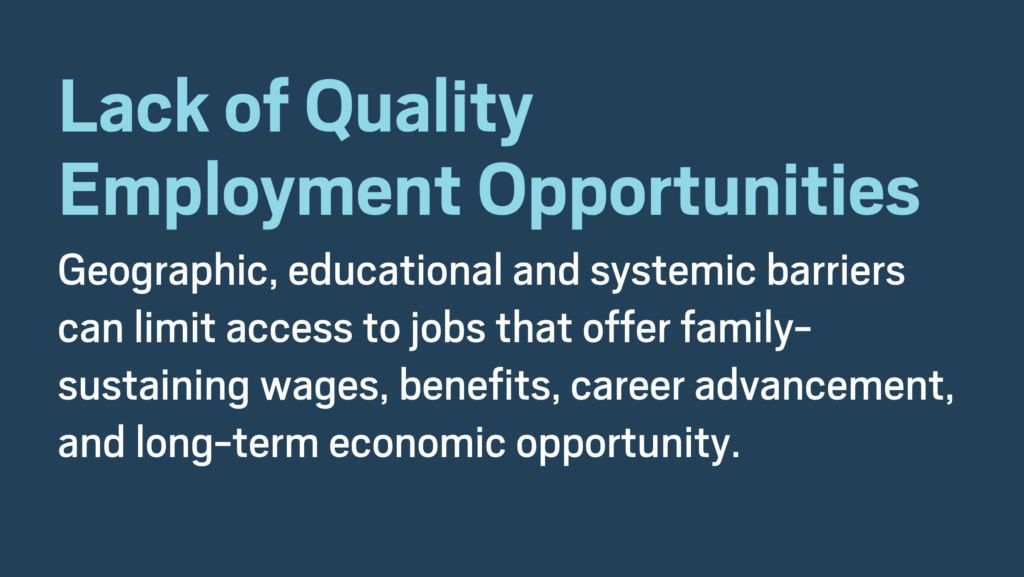
Increase access to quality employment by supporting workforce development, career advancement, strong employer practices, and wraparound services that help individuals succeed in quality jobs.

Strengthen household financial health by expanding access to financial education, savings opportunities, affordable financial products and services, debt reduction, and strategies that improve long-term financial stability.

Expand access to postsecondary education and career pathways by increasing opportunities to earn affordable, career-aligned credentials and degrees and strengthening connections between education, workforce training, and employment.
The Trust collaborates with a wide range of external partners, including community organizations, local government, and civic and corporate leaders to help increase wealth, opportunities and well-being for every Chicagoan.
The Trust collaborates with a wide range of external partners, including community organizations, local government, and civic and corporate leaders, on ways we can work together or alongside one another to help increase wealth, opportunities and well-being for every Chicagoan.
Here are opportunities to engage:
Senior Director of Income & Assets

Director of Income & Assets

Program Manager for Income & Small Business

Program Specialist for Income & Assets