Rebuilding Chicago’s Corridors, One Small Business at a Time
Across many parts of Chicago, vibrant commercial corridors are key contributors to neighborhood vitality, providing jobs, essential goods and services, and places where…
Chicago thrives when neighborhoods have the resources, assets, and local decision-making power to support residents’ well-being. Strong communities depend on investment that expands opportunity, preserves affordability, and enables residents to shape and benefit from neighborhood change.


The Chicago Community Trust supports neighborhoods that have not received their fair share of investment. We work with community partners to help residents shape the future of their neighborhoods, protect and create important local assets, improve access to everyday needs, and make sure new investment benefits communities without pushing people out.
Across many parts of Chicago, vibrant commercial corridors are key contributors to neighborhood vitality, providing jobs, essential goods and services, and places where…
From 2021 to 2025, We Rise Together: For an Equitable & Just Recovery (We Rise Together), a funder collaborative led by The Chicago…
Like the rest of the country, Chicago is facing an affordable housing crisis. Some neighborhoods boast houses that are too pricey for many…
We envision a Chicago region where community assets — including businesses, land, homes and commercial real estate — sustain and increase well-being, cohesion and prosperity in historically underinvested communities, building household wealth and strengthening the region as a whole.
Achieving this vision requires sustained investment, strong partnerships, and learning alongside communities. The Trust draws on insights from grant recipients, partners, research, and residents to inform its work and remain responsive as neighborhood conditions and opportunities evolve.
After decades of underinvestment in many of Chicago’s South and West Side neighborhoods, there is growing recognition that traditional approaches to economic development are insufficient. Community wealth building offers an approach that creates local amenities, strengthens resident leadership, and promotes shared ownership and control of community assets.
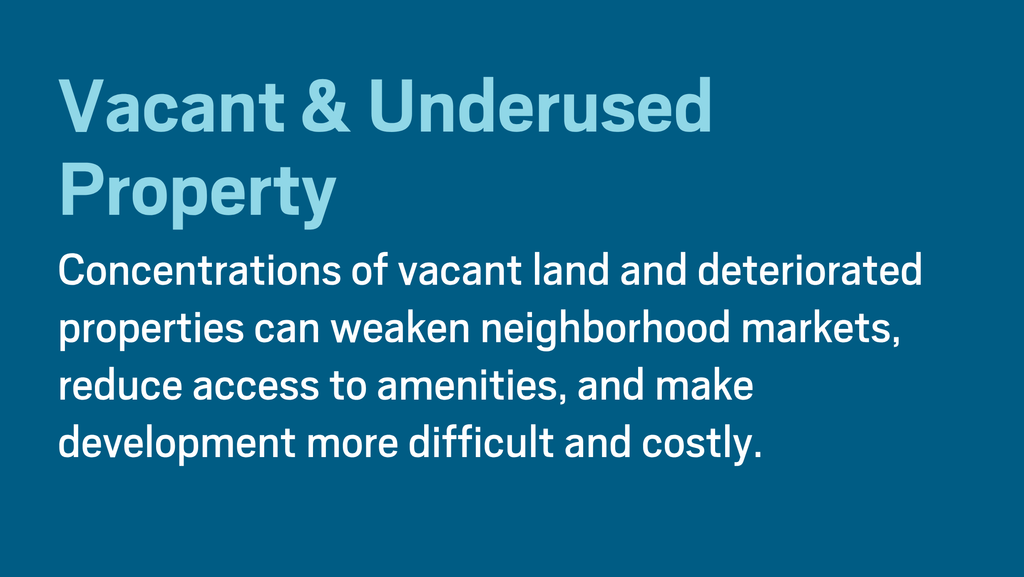
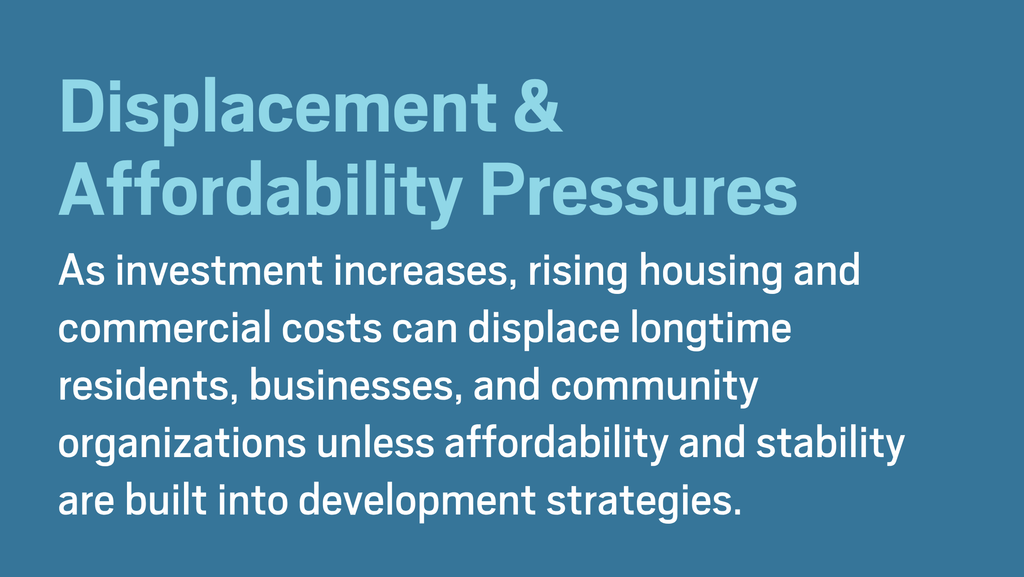
Data from the Cook County Assessor’s Office show that the South and West sides of Cook County have the greatest concentrations of vacant and abandoned properties and the lowest average assessed values for unused land. These conditions reflect longstanding patterns of underinvestment and make it harder for communities to attract new homes, small businesses, community facilities, and other assets that support neighborhood well-being. They also show up in residents’ perceptions of neighborhood amenities: according to the Financial Health Pulse® 2025 Chicago Trends Report, North Side residents were far more likely to rate nearby places to shop and eat, recreation spaces, and other amenities favorably than residents on the South and West sides. At the same time, neighborhoods experiencing new investment can face rising costs and displacement pressures that prevent longtime residents from sharing in the benefits.
Evidence from We Rise Together: For an Equitable & Just Recovery shows the potential impact of coordinated, community-centered investment. Mastercard served as the evaluation partner for We Rise Together, a pooled fund led by the Trust that invested nearly $50 million in strengthening neighborhood economies between 2021 and 2025. The evaluation found that communities with two or more completed We Rise Together projects experienced four times the economic activity compared with similar communities in the region.
The Trust supports programs, policies and partnerships that advance community-led investment in historically underinvested neighborhoods, preserve residents’ stakes in communities experiencing market change, and ensure that neighborhood assets benefit current and future residents.
For communities that have faced systemic barriers to development and investment, the Trust supports efforts to:

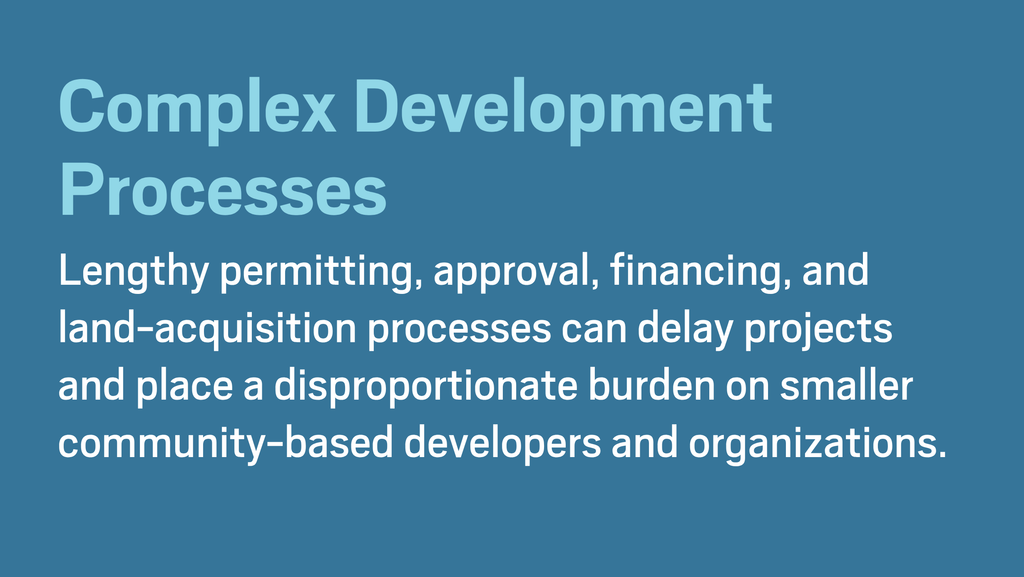
Advance the conditions for equitable development by supporting public-sector reforms that improve permitting and approval processes and by expanding shared ownership models that preserve affordability, strengthen local stewardship, and keep the benefits of investment rooted in the community.

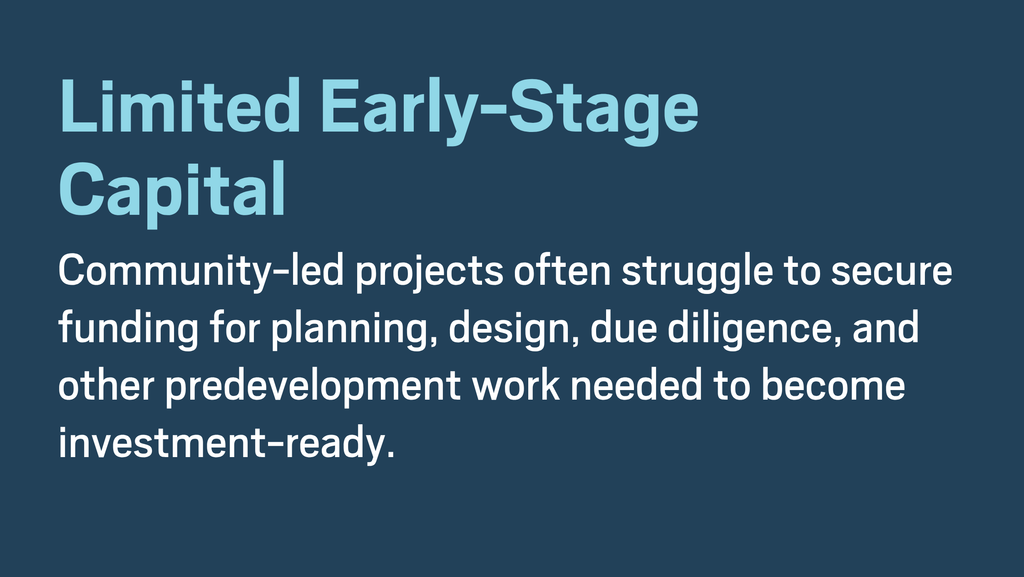
Move community-led projects from vision to implementation by investing in predevelopment activities, technical assistance, and catalytic capital for commercial spaces, mixed-use developments, community facilities, and other neighborhood assets.

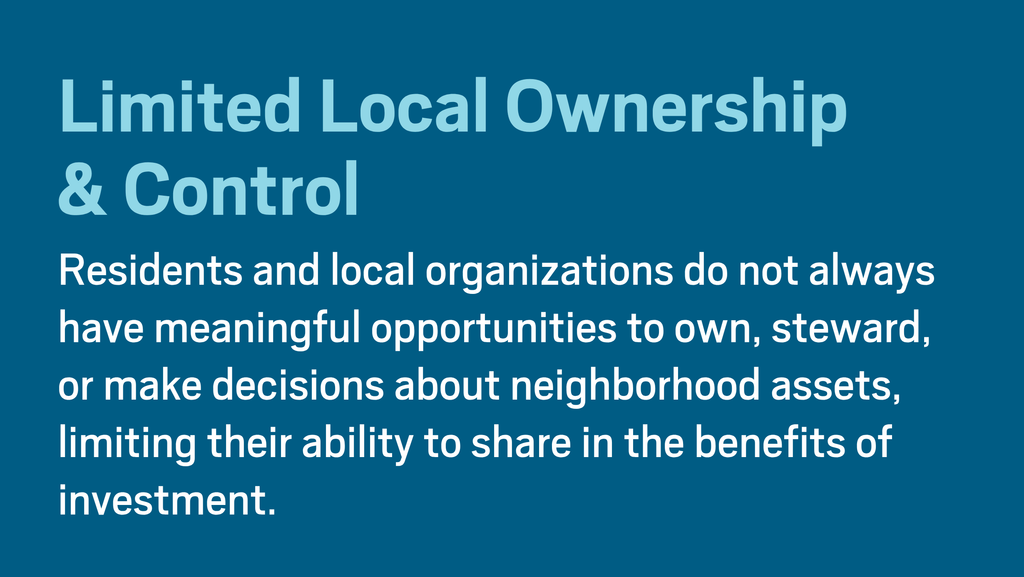
Strengthen community leadership and decision-making by supporting community-based anchor organizations, neighborhood planning, and meaningful resident engagement that ensures development reflects local priorities and contributes to long-term well-being.
Community-led development requires collaboration across sectors. The Trust works alongside residents, community organizations, developers, financial institutions, local government, philanthropy, and civic and corporate partners to increase neighborhood investment, expand economic opportunity, preserve affordability, and strengthen community well-being.
Senior Director of Community Development

Program Manager for Community Development

Program Manager for Community Development

Impact Coordinator for Community Development