Resilient Chicago Fund
A collaborative philanthropic initiative supporting nonprofits and government agencies to meet communities’ needs for food, shelter, safety and healthcare while building a stronger social safety net for tomorrow.

Supporting Innovation for Basic Needs
In Chicago and Cook County, organizations providing basic human needs—including food, shelter, healthcare and safety—are facing federal policy and funding uncertainty, rising demand for services, and increasingly complex rules. Nonprofit organizations and public agencies are stepping up to continue delivering essential benefits and services while adapting to a changing landscape.
The region’s safety net has long been strained in ways that hindered effective, dignified, people-centered service delivery. Recent changes have only heightened those pressures—and created an opening to rethink and redesign what the system could be. Nonprofits and public agencies bring deep expertise, trust and understanding of how the system works. What they often lack is dedicated time and resources to step back, reimagine long-term solutions, and design and test new models.
What is the Resilient Chicago Fund?
Resilient Chicago Fund is a collaborative philanthropic initiative created to support innovation for basic human needs. Co-chaired by The Chicago Community Trust and the John D. and Catherine T. MacArthur Foundation, the fund is guided by a Steering Committee comprised of multiple philanthropic partners.
Current Funding Opportunity
Resilient Chicago Fund is accepting applications through April 17, 2026 for its first open call. The goal of this funding opportunity is to enable nonprofits and government partners to adapt, rethink and redesign how essential benefits and services are delivered within food, shelter, healthcare and safety systems amid federal funding and policy changes.
Resilient Chicago Fund will award two types of grants:
- Design and testing grants: Most grant recipients in the 2026 cycle will begin with a grant between roughly $100,000 and $300,000, depending on the scope and timeline of the work. Selected organizations will work with a dedicated design coach (approximately 5 hours a week) to help gather insights, test ideas, and refine a model that could be implemented in the future. The coaching process is designed to meet organizations where they are, whether developing an early concept or refining a plan that is further along.
- Implementation-ready grants: A small number (up to 5) multi-million-dollar, multi-year grants will be awarded in fall 2026 to enable organizations to implement their ideas. Some implementation-ready grants may come directly from the open call, while others will be invited to submit proposals for implementation-ready grants after completing the design and testing phase.
Lead applicants must be nonprofit organizations based in or primarily serving Cook County. Collaborative proposals are encouraged and may include government agencies, community partners, and/or private-sector organizations. The most competitive proposals will come from organizations with deep experience delivering services, familiarity with how public systems and policy operate, and credibility with partners, including government agencies.
What We Mean By Innovation
Innovative ideas are:
-

desired by and work for the people who rely on them.
-

realistic to implement among partners or within government.
-

on a path to sustainable funding beyond a single philanthropic source.
-

positioned for adoption by actors responsible for delivering them.
Strengthening Our Social Safety Net for Today and the Future
Rising needs for public benefits and services have coincided with changing regulations and reduced funding. The time is now to strengthen the region’s basic human needs systems.
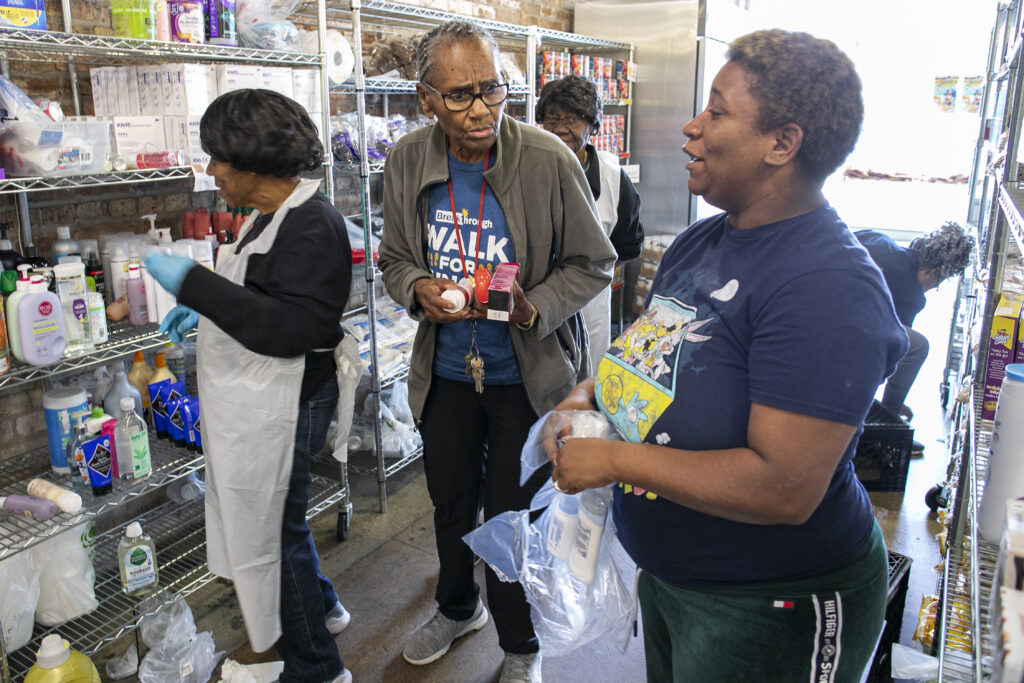
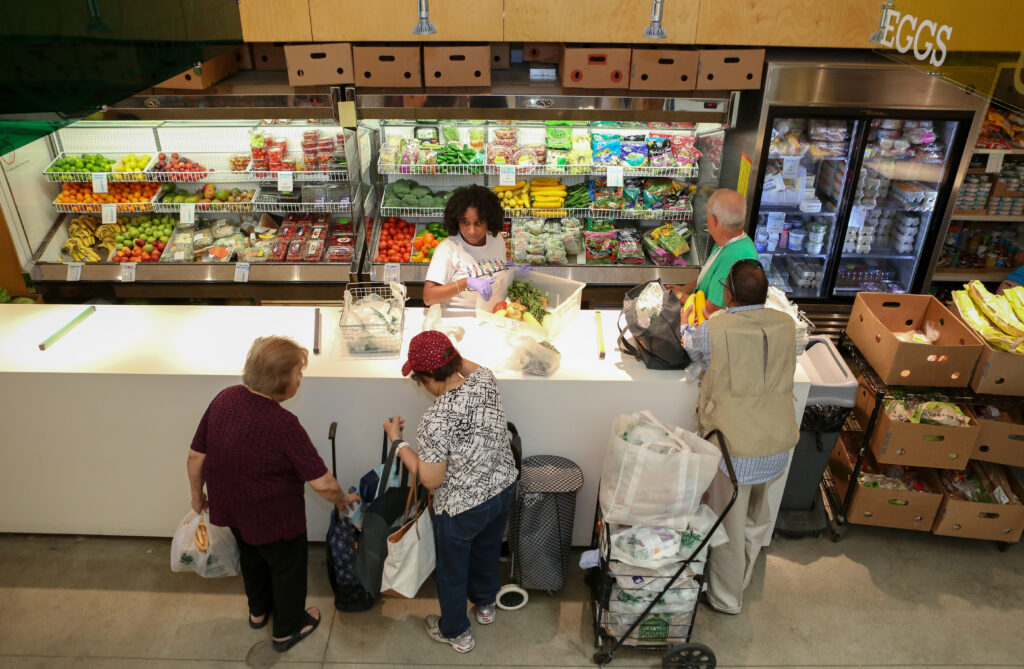
- Up to 400,000 Chicagoans are at risk of losing Supplemental Nutrition Assistance Program (SNAP) benefits since new rules requiring many more SNAP recipients to work, participate in workforce training, or volunteer took effect February 1, 2026. People who may need assistance meeting new requirements include those with chronic health conditions and caregivers, older adults who have been out of the workforce for some time, people struggling to find stable jobs that match their skillset, people with unreliable transportation, and people who need help completing paperwork.
- Calls to Chicago’s 211 show a 45 percent increase in requests for food pantry assistance in the first quarter of 2026 versus the first quarter of 2025.
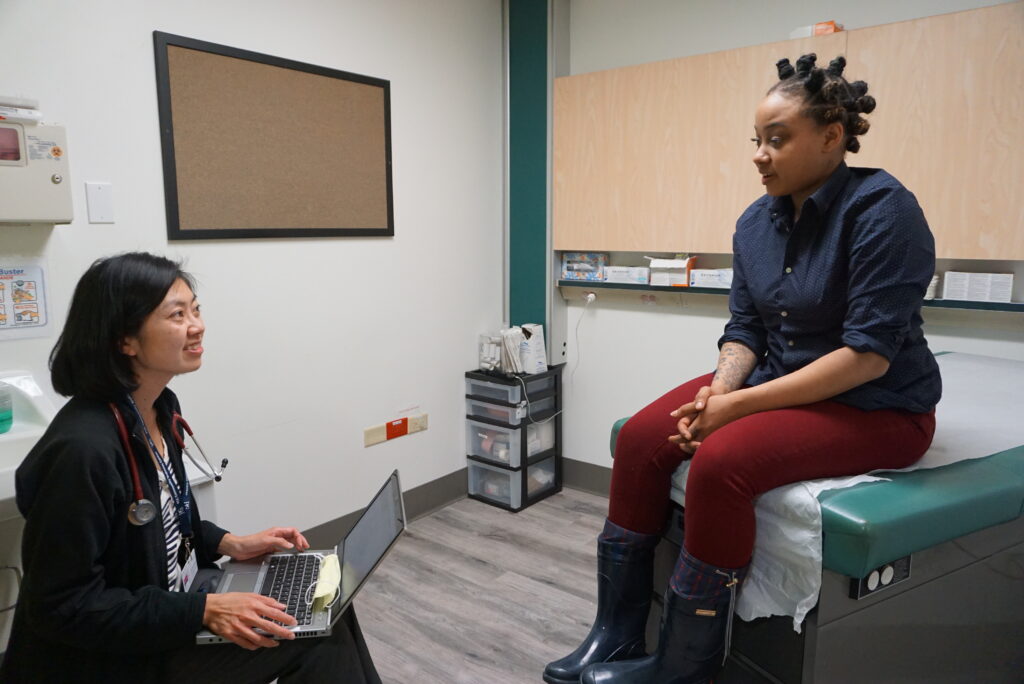
- Up to 700,000 Illinois residents could lose Medicaid benefits by 2028 due to federal funding and policy changes in the One Big, Beautiful Bill Act approved by Congress in 2025. Medicaid covers some 3.4 million Illinoisans and pays for approximately 40 percent of childbirths and 69 percent of all nursing home care in Illinois.
- When people lose SNAP benefits and Medicaid, it affects the entire region. For example, SNAP supports 9,400 retailers in Cook County, and every dollar spent on SNAP creates $1.50 in economic opportunity for local retailers, food producers and farmers. Medicaid coverage encourages people to seek preventative care, preventing costly emergency care and hospitalizations that drive up healthcare costs for everyone.

Steering Committee


Our Work
The Trust brings together generous donors, committed organizations, and caring residents to effect lasting change that makes our region better for all.
Learn MorePartnerships & Initiatives
Through the years, the Trust has created many types of initiatives to help our region—and its foundations, businesses, civic leaders, and individuals—most effectively engage with the issues they care about.
Learn More