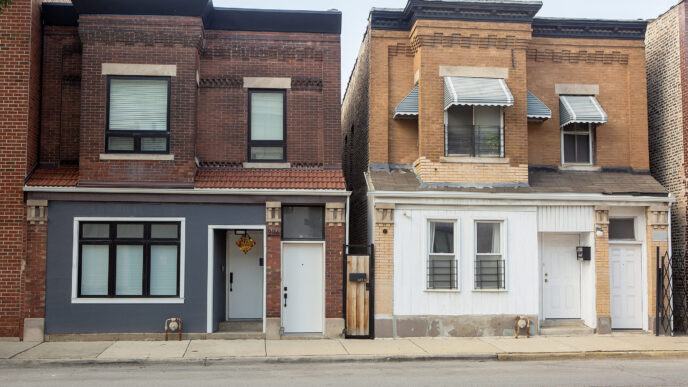
Credit-Ready But Priced Out: Chicago’s Homeownership Affordability Gap by Neighborhood
This new brief from the Financial Health Network explores the relationship between credit-readiness and housing affordability in the transition to homeownership in Chicago.
Read the Brief
This new brief from the Financial Health Network explores the relationship between credit-readiness and housing affordability in the transition to homeownership in Chicago. It draws on research findings from the Financial Health Pulse® 2025 Chicago Trends Report, a survey to measure the financial health of Cook County residents that was commissioned by The Chicago Community Trust with support from JPMorganChase, as well as credit profile data from TransUnion.
Credit-Ready But Priced Out
The brief finds that Chicago renters overwhelmingly want to own homes, but credit barriers, limited savings, and a shortage of affordable housing to purchase at a price they can afford often stand in the way.
Key Findings from the Brief
- Seventy percent of Chicago renters said they would prefer to own rather than rent, yet just 8.2% of renters became homeowners between 2022 and 2025.
- In 2022, 61% of renters in North Side were credit-ready,* compared with 24% in Far South Chicago. This 37-percentage-point gap means renters in some regions of the city were more likely to start the homebuying process with credit profiles that support mortgage approval.
- By 2025, more than 40% of previously credit-ready renters with student loans were no longer ready for a mortgage application in every region except the North and Northwest sides of Chicago.
- Fewer than one-third of credit-ready renters in all of Chicago’s seven regions made a mortgage inquiry between 2022 and 2025, suggesting barriers to homeownership that extend beyond lack of credit readiness.
- Only about 1 in 7 credit-ready renters across Chicago could afford a home priced over $200,000 in 2025. In 2026, the median home sale price in the city climbed to nearly $400,000. According to Morningstar, since June 2025, Chicago home prices have grown faster than any other major city in the nation.
*A prospective homeowner is considered “credit-ready” if they have a credit score of 661 or above, a track record of paying their bills on time, manageable debt relative to their income, and no recent history of foreclosure or bankruptcy.
Our Work
There are no quick fixes to the credit and affordability barriers to homeownership that the brief highlights. However, The Chicago Community Trust is committed to working with partners to advance economic mobility and neighborhood stability throughout our region by:
- Investing in credit-building and financial coaching so that residents can manage their expenses today and be financially prepared for homeownership.
- Helping employers create better job pathways, including hiring and promotion based on skills and offering savings tools that help workers build financial stability.
- Addressing the region’s affordable housing shortage by reducing barriers to accessing land and capital to build and preserve housing.
- Supporting prospective and current homeowners with resources, counseling and capital to purchase, maintain and preserve homes across generations.
- Reducing affordable housing development costs by streamlining permitting and inspections processes and returning vacant land to productive use.
- Expanding shared ownership pathways – such as community land trusts and cooperatives – to support asset building and wealth creation.
Get Involved
To learn more about the Trust’s Learning & Impact team or partner with us on future financial health and research initiatives, please contact Jennifer Axelrod, Associate Vice President of Learning and Impact, at jaxelrod@cct.org.